Leadership
Leadership / management, different but complementary
A manager is primarily focused on the work processes, tasks, and resources within an organization. He is responsible for planning, organizing, and directing the daily operations, ensuring that goals are met.
On the other hand, a leader is more focused on inspiring, motivating, and influencing others to achieve a common vision or goal. He provides guidance, support, and encouragement to his team members, fostering a positive and collaborative work environment. Leaders often lead by example and empower their team, promoting innovation, creativity, and personal growth. They possess strong interpersonal skills and are capable of inspiring and influencing others, even without formal authority.
While both managers and leaders play important roles in organizations, their approaches and priorities differ. Managers tend to focus on the operational aspects, while leaders focus on inspiring and guiding their teams towards success. Ultimately, effective organizations often require individuals who can effectively balance both managerial and leadership qualities.
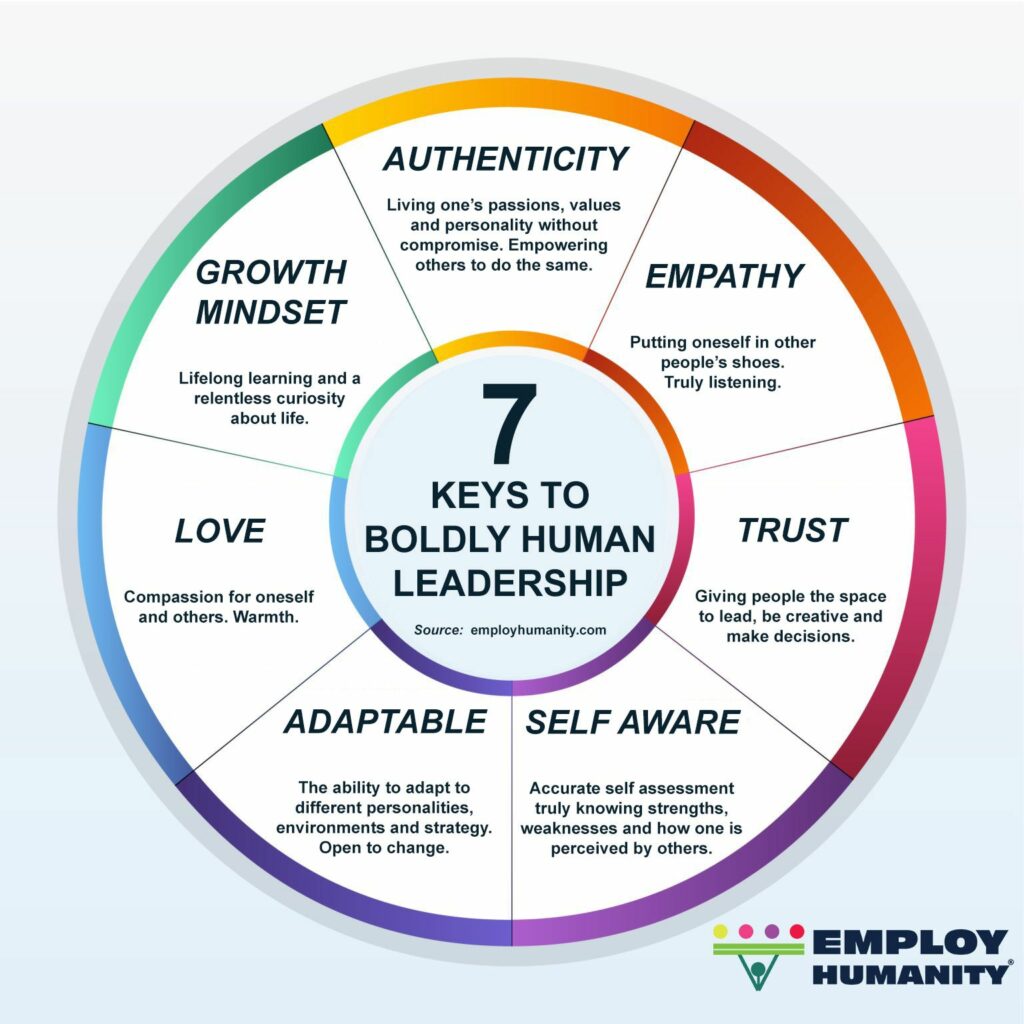
what are the skills of a leader ?
Communication Skills: Leaders need to effectively communicate their vision and maintain open communication with their team.
Innovative Mindset: Leaders foster innovation and constantly seek new and improved ways to overcome organizational change.
Decision-Making Capabilities: Leaders should make strategic business decisions under pressure, both individually and with their teams.
Emotional Intelligence: Leaders with emotional intelligence understand their own emotions and can influence others. Empathy is a crucial aspect of emotional intelligence.
Coaching and Performance: Research shows that empathetic leaders who excel in coaching tend to achieve higher performance.
In summary, a leader should possess strong communication skills, an innovative mindset, decision-making capabilities, emotional intelligence, and the ability to coach and improve performance.
Leadership roleplay activity
The goal of this roleplay exercise was for us to take on the roles of different leaders and explore how we handle a situation involving Ada, who is consistently missing meetings and displaying signs of exhaustion. We had to determine what works well and what could be improved. Then, we discussed and identified the qualities and behaviors of an « ideal » leader in handling this situation, focusing on aspects such as empathy, effective communication, problem-solving skills, and providing support to team members facing personal challenges.
The diversity fresco
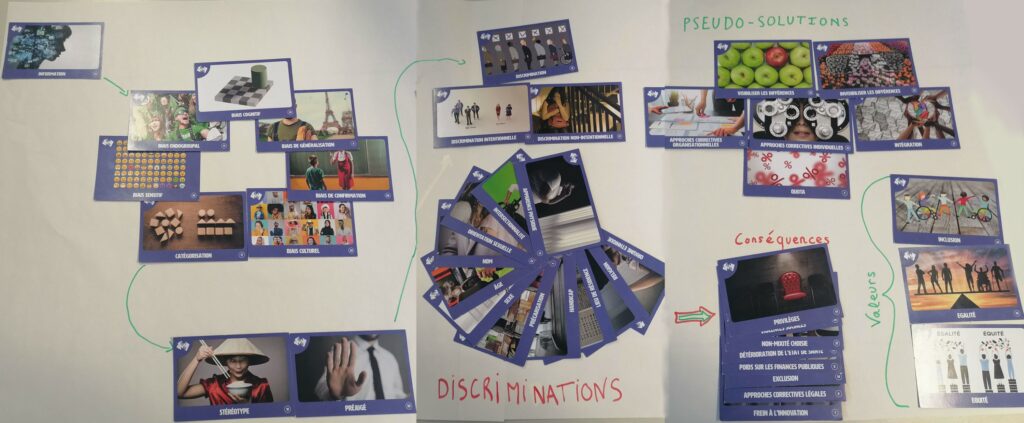
During our classes, we had the opportunity to work in groups for two sessions to create a mural about diversity. This mural is an awareness tool aimed at sparking awareness and questioning about discrimination and inclusion within organizations. My classmates and I used cards that we connected together to achieve the following result:
Interview with an engineer about leadership
For this course, I had the opportunity to interview Jean-Philippe Duolle, who works as an engineer for the company Airbus. During this 40-minute phone interview, I was able to ask questions related to the concepts presented in the module’s classes. Jean-Phillipe’s responses allowed me to observe that many of these principles are applied in the professional context, such as:
Feedbacks: As explained by Jean-Phillipe, it is common to think we are doing something right only to realize that the approach is being misinterpreted. Feedback helps improve the way things are done for future reference.
Emotional intelligence, which is crucial for Jean-Phillipe: The ability to influence people to follow you ensures the sustainability of a project. An unsupported idea, no matter how excellent, is a dead idea before it is realized.
Collective intelligence, encouraged by Airbus: The company emphasizes kindness and goodwill. When a mistake is made, there is no finger-pointing at someone to blame. Instead, the focus is on improving the work organization to rectify the issue.
This exchange also allowed me to nuance some of the concepts presented in class, such as trust given to teams:
Although autonomy is desired by companies, it can sometimes be challenging to achieve. It was easier a few years ago when there was less turnover in engineering positions. The current challenge is to build a team composed of individuals who stay long enough to gain experience and, therefore, autonomy.